
Fort Bonifacio Global City, Taguig, Philippines, 1634
Tongue-tie Release (Frenectomy)
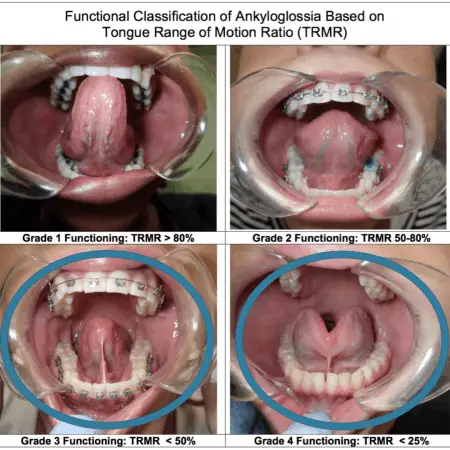
A tongue-tie, or ankyloglossia, occurs when the lingual frenum — the band of tissue connecting the underside of the tongue to the floor of the mouth — is too short, thick, or tight, restricting the tongue's full range of movement. A frenectomy is a simple, minimally invasive procedure that releases this restriction, freeing the tongue to function correctly for feeding, speech, breathing, and proper oral posture.
How a Frenectomy Releases Tongue Function
The procedure involves releasing the restricted lingual frenum using either a soft tissue laser or a small surgical instrument, depending on the degree of restriction and the patient's age. Laser frenectomy is precise, virtually bloodless, and requires no sutures in most cases, making it well tolerated by both infants and older children. Following the release, myofunctional therapy exercises are recommended to retrain the tongue to adopt its correct resting posture and movement patterns, ensuring the full functional benefit of the procedure is achieved.
- Releases restricted tongue movement caused by a tight lingual frenum.
- Laser-assisted procedure — precise, minimally invasive, and fast healing.
- Improves feeding, speech, swallowing, and tongue-to-palate posture.
- Paired with myofunctional therapy for complete and lasting results.
Who May Need a Tongue-tie Release?
Tongue-tie can affect patients at any age, from newborns struggling with breastfeeding to older children and adults experiencing speech, airway, or orthodontic issues linked to restricted tongue mobility. An assessment with our team will determine whether the degree of restriction warrants release and whether myofunctional therapy should accompany the procedure.
- Infants with difficulty latching, feeding, or transferring milk effectively.
- Children with speech articulation difficulties or persistent lisping.
- Patients with low tongue posture contributing to narrow arches or open bite.
- Adults with tongue restriction affecting airway, sleep, or orthodontic outcomes.
What to Expect from the Frenectomy Procedure
The procedure itself is brief, typically completed in a single visit of under thirty minutes. Local anaesthetic is applied to ensure the patient is comfortable, and the frenum is released using our soft tissue laser for a clean, precise result with minimal bleeding and a faster healing time compared to conventional techniques.
Following the release, we provide detailed aftercare instructions including stretching exercises to prevent reattachment during healing. A course of myofunctional therapy is strongly recommended after the procedure to retrain the tongue muscles and ensure the newly released tongue learns to function correctly — maximising the long-term benefit of the frenectomy.
Concerned About a Tongue-tie? Let Us Assess It.
Whether you have noticed feeding difficulties in your newborn, speech concerns in your child, or have been told you may have a tongue-tie yourself, an assessment with our team can give you a clear picture of the restriction and the best path forward. Releasing a tongue-tie at the right time can have a profound impact on feeding, speech, airway health, and orthodontic outcomes.
We're thrilled to hear from you. Our inbox can't wait to get your messages — talk to us anytime you like.
Cheers!
1st Avenue, Fort Bonifacio Global City,
Taguig City 1634, Philippines
9:00 AM – 6:00 PM
By Appointment