
Airway / Sleep Center
Airway Support involves specialized treatments and devices designed to maintain open airways during sleep and daily activities. This includes oral appliances, positional therapy, and breathing exercises that help prevent airway collapse and promote optimal oxygen flow.
Benefits

Our Advantage
Our Airway Support solutions are custom-fitted and monitored by sleep specialists, ensuring personalized treatment that addresses your specific anatomy and breathing patterns without the need for invasive procedures.
How Often Should You Get:
Regular follow-ups every 3-6 months are recommended initially, then annually for maintenance. The actual frequency depends on the specific device used and individual response to treatment.
Sports Guard
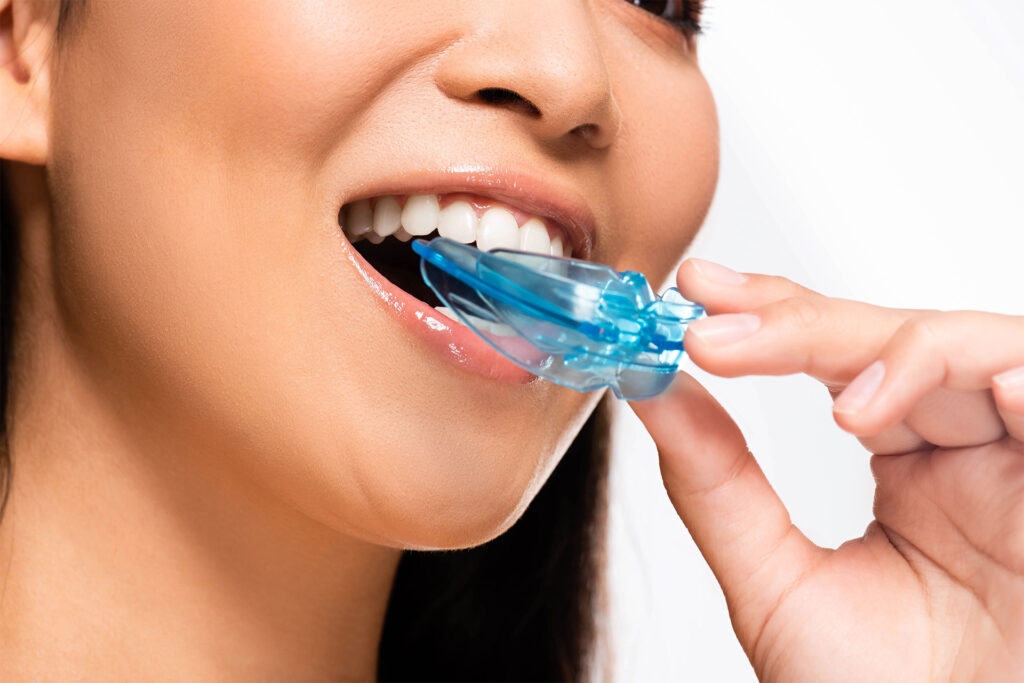
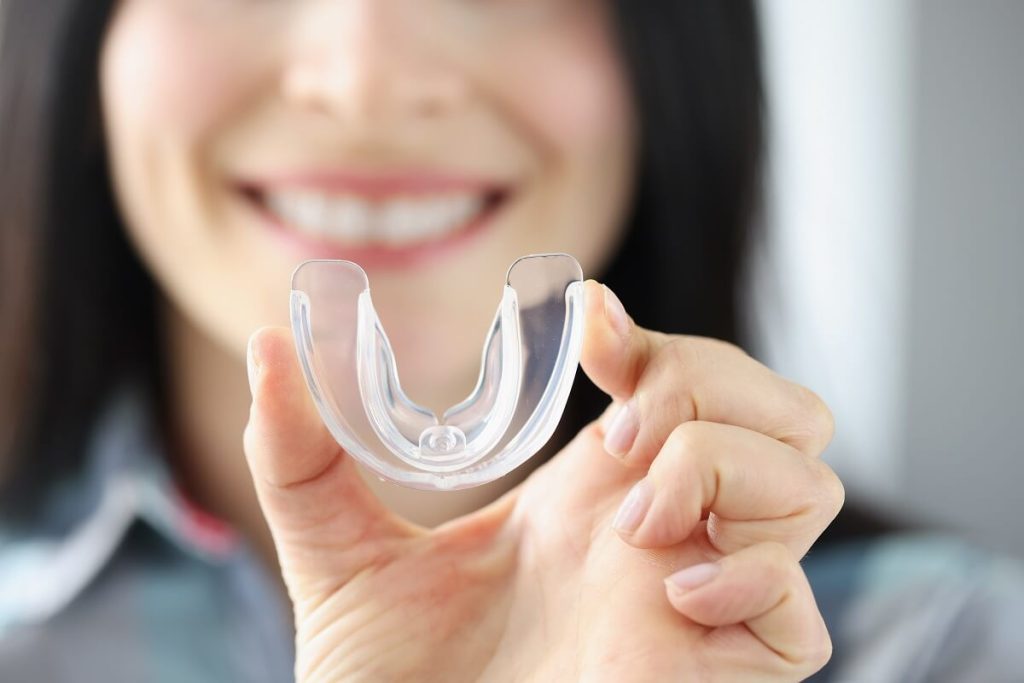
Custom-fitted sports mouthguards designed not only to protect teeth during athletic activities but also to optimize jaw positioning and breathing. Unlike standard boil-and-bite guards, our sports guards are professionally fabricated to ensure proper fit and function.
Benefits
Advantage
Our sports guards are dual purpose they provide excellent impact protection while also supporting airway maintenance, making them ideal for athletes with breathing concerns or sleep-disordered breathing.
How Often Should You Get
Replace sports guards:
-
Every sports season for growing children/adolescents
-
Every 1-2 years for adults
-
Immediately if damaged or if fit becomes uncomfortable
-
After significant dental work or changes in tooth alignment
OSA (Obstructive Sleep Apnea)
What is Obstructive Sleep Apnea (OSA)?
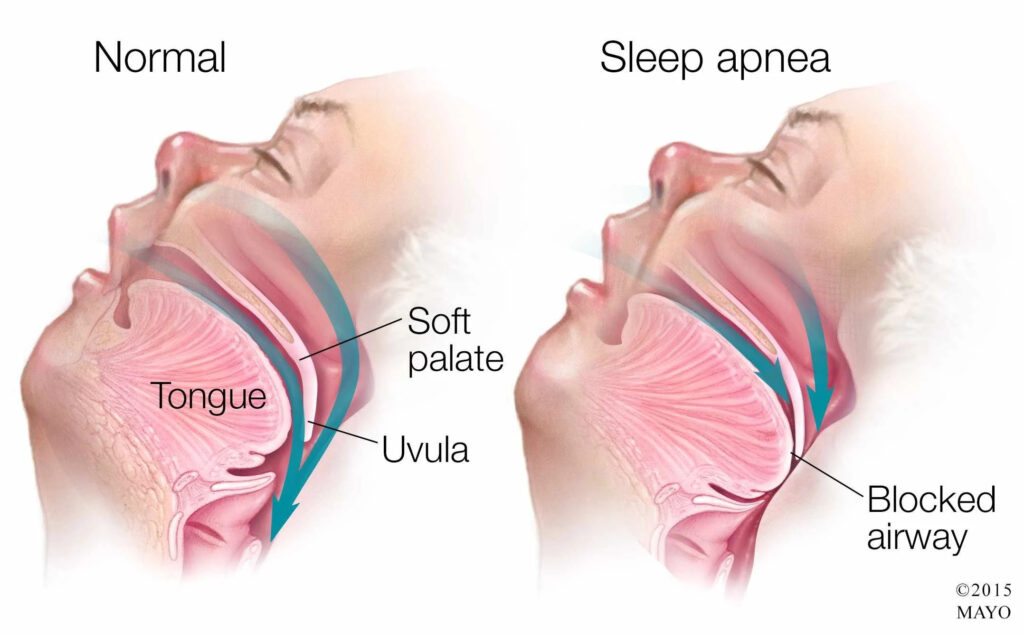
Obstructive Sleep Apnea (OSA) is a serious sleep disorder where breathing repeatedly stops and starts during sleep.
This happens because the muscles in the throat relax too much, causing a physical blockage of the airway.
Each breathing pause (called an apnea) can last from 10 seconds to over a minute and may occur hundreds of times per night.
Think of it like this
Imagine trying to breathe through a straw that keeps collapsing. Your body and brain are starved of oxygen until a mini panic reflex jolts you awake to reopen the airway, often with a gasp or snort. These awakenings are so brief you don’t remember them, but they severely fragment your sleep, preventing you from reaching the deep, restorative stages.
Key Symptoms: More Than Just Loud Snoring
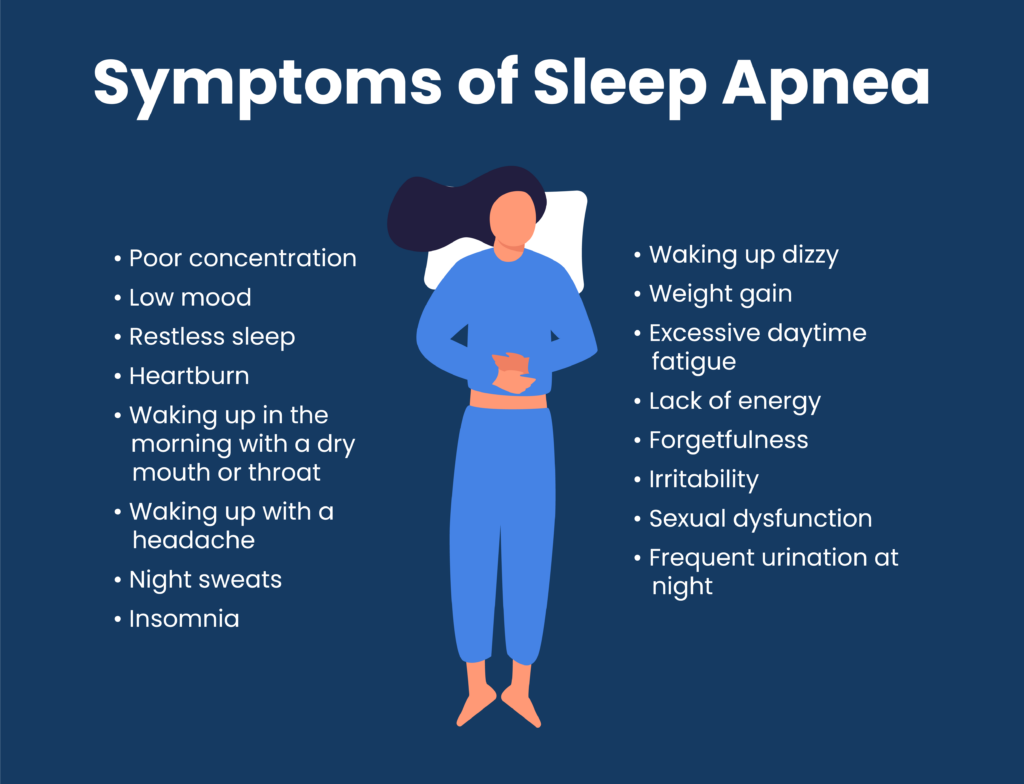
While loud, chronic snoring is a classic sign, OSA is often an invisible thief of health and vitality. Common symptoms include:
Daytime Symptoms: Extreme fatigue, morning headaches, difficulty concentrating (“brain fog”), irritability, and falling asleep unintentionally (e.g., while driving or at work).
Nighttime Symptoms: Witnessed breathing pauses, choking or gasping sensations, frequent trips to the bathroom, and restless sleep.
Long-Term Signs: Untreated OSA is a major contributor to high blood pressure, heart disease, stroke, type 2 diabetes, and depression.
Why It’s a Serious Health Issue
OSA is Highly TreatableOSA is not just about poor sleep it’s a chronic medical condition with systemic consequences. The cycle of oxygen deprivation and stress places immense strain on the cardiovascular system and disrupts vital metabolic processes.
Treating OSA is often a critical step in managing these other serious health conditions.
An OSA diagnosis is not a life sentence of fatigue. With proper diagnosis (usually through a sleep study) and a personalized treatment plan, patients often experience a life-changing transformation in energy, mood, and overall health.
What is Myobrace?
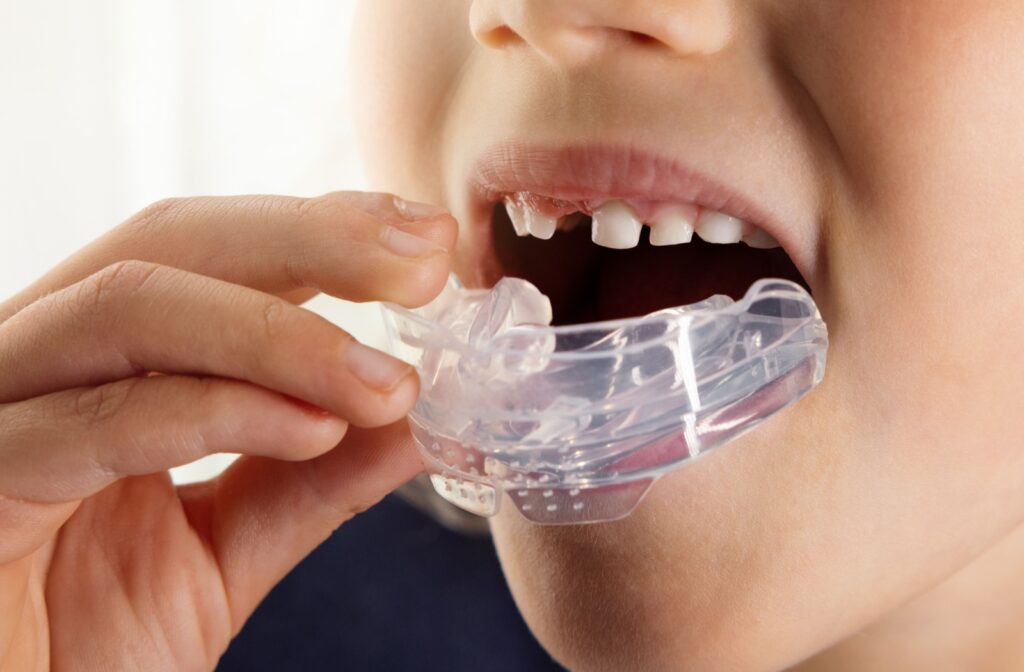
More Than Just Teeth Straightening